家族诞生1,500-year-old glazed pottery reveals Eurasian cultural exchanges in ancient northern China_我的网站
A | 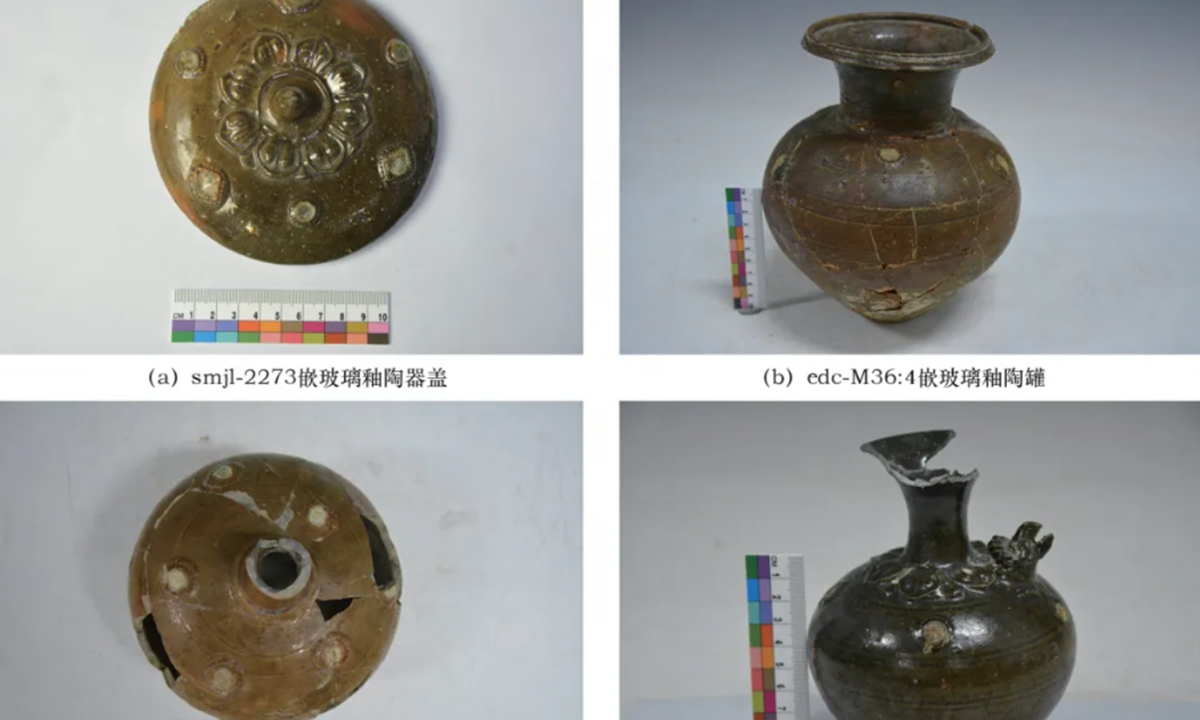 Systematic analysis conducted by the institute of pottery wares dating back to the Pingcheng period of the Northern Wei Dynasty (386-534) has identified distinct foreign cultural and technological elements embedded in the craftsmanship and material composition of the unique artifacts, shedding fresh light on ancient Eurasian cultural integration. Established by the Tuoba Xianbei ethnic group, the Northern Wei Dynasty designated Pingcheng, present-day Datong city in Shanxi Province, as its capital from 398 to 494. For nearly a century, the city served as a pivotal multicultural hub where Xianbei nomadic culture, Central Plains Han culture and diverse Western Regions civilizations converged and interacted, according to a report on Chinanews.com.cn. Archaeological excavations at multiple tomb clusters in Pingcheng, including the Dongxin Northern Wei cemetery and the Qilicun cemetery, have yielded a total of eight pieces of glass-inlaid glazed pottery. Though far fewer in number compared with common glazed pottery figurines and painted glazed wares, these artifacts feature an extremely rare inlay technique unseen elsewhere in the developmental history of Chinese ceramics, according to the press release. Given the exceptional rarity and good preservation of the relics, researchers selected four representative pieces for comprehensive laboratory testing and material analysis. The results show that the glass inlays are primarily soda-alumina glass, most likely produced by remelting trade beads from the Indian Ocean and Pacific regions, a key commodity in ancient maritime and overland trade networks. The findings confirm that Pingcheng maintained frequent cross-border trade and cultural communication during the Northern Wei era, with access to glass raw materials sourced from diverse overseas regions. The varied compositional characteristics of the inlaid glass provide crucial clues for studying ancient glass-making technologies, raw material circulation and long-distance trade routes in ancient East Asia, the press release noted. Beyond material composition, the artifacts also embody prominent cross-cultural innovation in design. Their decorative motifs draw heavily on gem-encrusted gold and silver wares of the Sasanian Persian Empire, while integrating artistic elements from other Eurasian regions. The blended design styles reflect the era's prevailing trend of multicultural fusion and creative assimilation of foreign civilizations. Archaeologists noted that the glass-inlaid glazed pottery represents an innovative technological achievement crafted by Northern Wei artisans who absorbed and refined foreign techniques and aesthetics. The distinctive craftsmanship and stylistic features of these wares exerted a far-reaching influence on ceramic production in surrounding regions and subsequent dynasties, marking a vital chapter in the evolution of ancient Chinese ceramic art. The research underscores that ancient China's northern borderland was not an isolated cultural enclave, but an active node in Eurasian cultural and trade exchanges, where foreign elements were localized and innovated to form unique regional civilizational achievements, archaeologists from the Shanxi Provincial Institute of Archaeology said. 。
B | Vijay Deverakonda's next, directed by filmmaker Ravi Kiran Kola, is being produced by Dil Raju via Sri Venkateswara Creations. While the movie's rumoured title (Rowdy Janardhan) will be made official a few days from now, the director's confessional "note" has piqued interest in the character being essayed by the Geetha Govindam and Kingdom star. Flawed, angry and wounded I have been waiting for a long time to tell this story about a man. I found him in my memory. He is very personal, and I have watched him and grown up seeing him. He is not perfect, but he is real. Flawed, angry, wounded - and more than I hated him, I loved him. This story had to be told. You will meet him," the director shared. "Flawed, angry, wounded" is what Vijay's character is going to be in the year 2026 release. Since Vijay has not played such a character in years (his character was wounded in Kingdom but it was not flawed), the characterization is expected to be layered. Strained relationships involving a complicated yet self-assured adult might be portrayed in the film. Themes of forgiveness, trauma, growth, and the complexity of love in imperfect domestic settings make for delectable stories. Rowdy Janardhan could well be one. Keerthy Suresh is the film's heroine. Vijay working on two films simultaneously The film's director, Kola, has previously made Raja Vaaru Rani Gaaru and that was six years ago. Vijay Deverakonda is also acting in a movie directed by Taxiwala and Shyam Singha Roy fame Rahul Sankrityan. Since the story is set in Rayalaseema region, this one is a first for the actor. Rashmika Mandanna is its female lead. This is the first time in his career that Vijay is filming for two movies at a time; they have been "extremely demanding" and have "taken up my life." Also Read: Vijay Deverakonda Lauds Ranveer Singh’s Dhurandhar, Says The Boys Were on Fire。 Current article:http://50178.ruwentaqintiaozhupapaigai.shop/eerw/20260826/4166.html Published on:10:50:39 |

